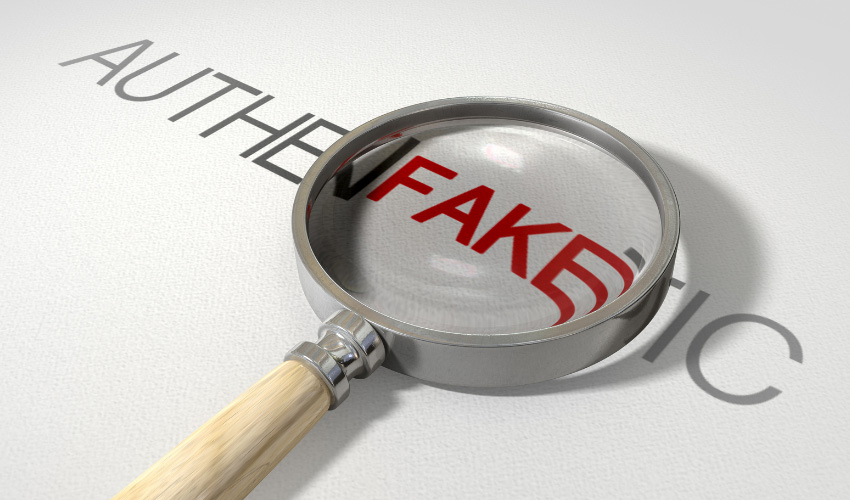
The audio market in Kenya is booming, but unfortunately, so is the black market for counterfeit gear. From downtown electronics stalls to online marketplaces, fake versions of legendary brands like Shure, JBL, Yamaha, and Sennheiser are everywhere. These knock-offs might look identical to the real thing, but they sound terrible, break quickly, and can even damage your other equipment.
At City Sounds, we believe every DJ, church, and musician deserves authentic, reliable sound. Before you part with your hard-earned shillings, use this expert guide to spot fake audio equipment in Kenya.
1. The "Too Good to Be True" Price Tag
This is the biggest and most obvious red flag. Authentic professional audio equipment is manufactured using premium components, which means it has a standard market value. If a brand-new JBL SRX715 or a Shure SM58 microphone is being sold at 40% or 50% below the standard retail price, it is almost certainly a fake. Counterfeiters lure buyers in with massive "discounts"—do not fall for it.
2. Inspect the Build Quality and Weight
Manufacturers of fake gear cut corners by using cheap materials. When you pick up a piece of equipment, pay attention to how it feels:
- Weight: Authentic gear is usually heavy. Real speakers use massive magnets and dense wood or high-grade polymer cabinets. Fake speakers use cheap, lightweight plastics and tiny magnets. If a 15-inch PA speaker feels incredibly light, be very suspicious.
- Grilles and Paint: Look at the metal grille on microphones and speakers. On fakes, the metal is thin and bends easily. The paint jobs on fakes often look uneven, easily chip off, or lack the textured, durable finish (like JBL’s DuraFlex™) found on originals.
3. Scrutinize the Branding, Logos, and Packaging
Counterfeiters are getting better, but they often make mistakes on the packaging. Look closely at the logo. Is the font slightly off? Is the color a shade too light or too dark?
Additionally, check the box for typos and grammatical errors in the instruction manuals. Authentic brands have strict quality control and do not release products with misspelled words on the box. Finally, look for official holographic stickers and verify that the barcode matches the product description.
4. Check the Serial Numbers
Almost all authentic professional audio equipment comes with a unique, verifiable serial number. Before buying, ask the vendor for the serial number. You can often go to the manufacturer's official website and enter the number, or contact their support team to verify it. If the vendor refuses to show you the serial number, or if the number looks like a cheap sticker rather than being engraved or professionally printed, walk away.
5. Listen Closely (The Sound Test)
If you have the opportunity, test the equipment before buying. Fake microphones generally lack warmth, sound incredibly "tinny," and are highly prone to feedback. Fake speakers will distort at high volumes and lack the deep, punchy bass that original drivers produce. An authentic piece of audio gear will sound crisp, balanced, and powerful right out of the box.
6. Buy From Authorized and Reputable Dealers
The single best way to avoid buying fake audio equipment is to purchase from a trusted, authorized dealer. Avoid buying high-end gear from random street vendors or unverified online social media profiles.
Conclusion
Investing in original audio equipment saves you money in the long run. Authentic gear comes with manufacturer warranties, lasts for years, and delivers the professional sound quality your audience expects.
Do not gamble with your sound. At City Sounds, we guarantee that every single product on our shelves is 100% authentic, brand new, and backed by warranty. Visit our shop in the Nairobi CBD to test out original gear for yourself, or browse our verified catalog online today!